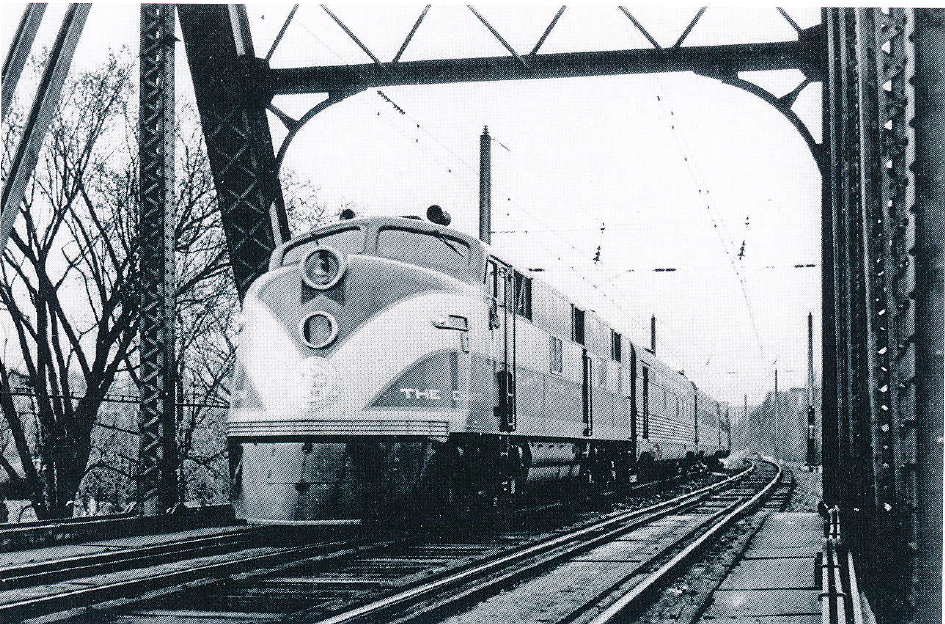


In the mid 1970’s rumors swirled around the railroad community that a catastrophic event may be on the horizon. The Chicago Minneapolis St. Paul and Pacific Railroad aka the “Milwaukee Road” was considering abandonment of all lines west of Montana to include the famous Pacific Extension – the main line railroad from Miles City, Montana to Seattle, Washington.
By 1979 those fears became a reality. The largest single railroad abandonment of rail lines in history was approved, and by 1980 the legendary Milwaukee Road “Lines West” were officially abandoned and all rail service to the west came to an end. To make the best of a very bad situation, A.L. Freed – a former locomotive engineer in the Chesapeake Division of the Penn Central RR, jumped into action and formed a new railroad.
Striving for modesty the company was officially named “The Great Northeastern Pacific South & Western Railroad Company” better known as the “Weedroute”. The nascent organization immediately formulated an elaborate plan to ride the Pacific Extension before it would likely vanish from the face of the earth.
After establishing and chartering the “Weedroute” the next project would be to find a suitable vehicle capable of riding the rails from Montana to Seattle in a timely fashion. An executive decision was made to proceed immediately to find a lightweight transportable machine that is appropriate for riding on railroad tracks.
The first idea was a velocipede, but it was deemed impractical to pump an essentially one hundred-year-old railroad bicycle one thousand miles. Even though physical stamina was not an issue, at five miles an hour the trip would take more than two hundred days. After much deliberation, and numerous board meetings, the company decided to pursue the acquisition of a small track speeder.
Inquiries were made at the Penn Central Railroad, but we soon found out that track speeders had left the property years ago. It was, however, rumored that a bunch of speeders had recently been decommissioned by the Maine Central Railroad. A call to the Yard Master in Waterville, Maine indicated that, yes, there were a bunch of derelict speeders in the lower forty of the railroad yard.
The rest is history.
Canadian Railroad Videos
Pontiac Hi Rail Gaspe (Barachois) to Port Daniel Quebec/Restoration/CBC Interview, November 2016
We returned with Nina in November, on the night of the U.S. election, and rode the line from Barachois (just south of Gaspé) to Port-Daniel. There, I was asked to stop for an interview with CBC.
This video covers that trip, the CBC interview, and includes a few photos from the early 1990s restoration of the Pontiac by two remarkable craftsmen, Arthur and Bobby Pierce of Rehoboth, Massachusetts. We drove the car back to Massachusetts the following day.

Pontiac Hi-Rail Trip from Matapedia to Gaspe Quebec (Summer 2015)
In early summer 2015, I had the opportunity to take a special trip aboard a restored 1975 Pontiac Chieain Safari Hi-Rail. We traveled along a former Canadian National Railway secondary line from the village of Matapédia, Quebec, east for approximately 230 miles to the end of the line in the small town of Gaspé.
A former racing buddy, Doug Brenner (also known as “Pismo Clam”) from California, joined me on the journey. We were accompanied by two great guys from the Gaspé Railroad, Clément and Marcel, whose knowledge and hospitality made the trip even more memorable.
Afterward, we were graciously invited to leave the Pontiac at the now-closed Restigouche Motel
for the summer. We then took the VIA Rail “Ocean” back to Montreal rented a car and drove home to Virginia stopping for a night in New York City.
Some locations in this video are marked with question marks. If you recognize any of them, please leave a message—we would love to update the information.
Hi Rail Gaspe Rail Road NARCOA 1989
On June 28,1998, members of the National Association of Railcar Operators (NARCOA) met in Matapedia, Quebec, Canada. Their goal: Gaspe, 202 miles away. In the lead was a bright yellow, restored original Northern Pacific 1957 Pontiac Safari Hi Rail car, the track inspection vehicle of the Great Northeastern, Pacific, South, and Western Railroad Co. Award winning film photographed edited and produced by C.W. D’Ooge.

On March 23, 2014 Alan L. Freed gave the keynote presentation at the National Railroad Historical Society’s Annual Banquet in Washington DC. The speech was entitled “Last Ride on the Milwaukee Road Pacific Extension.”
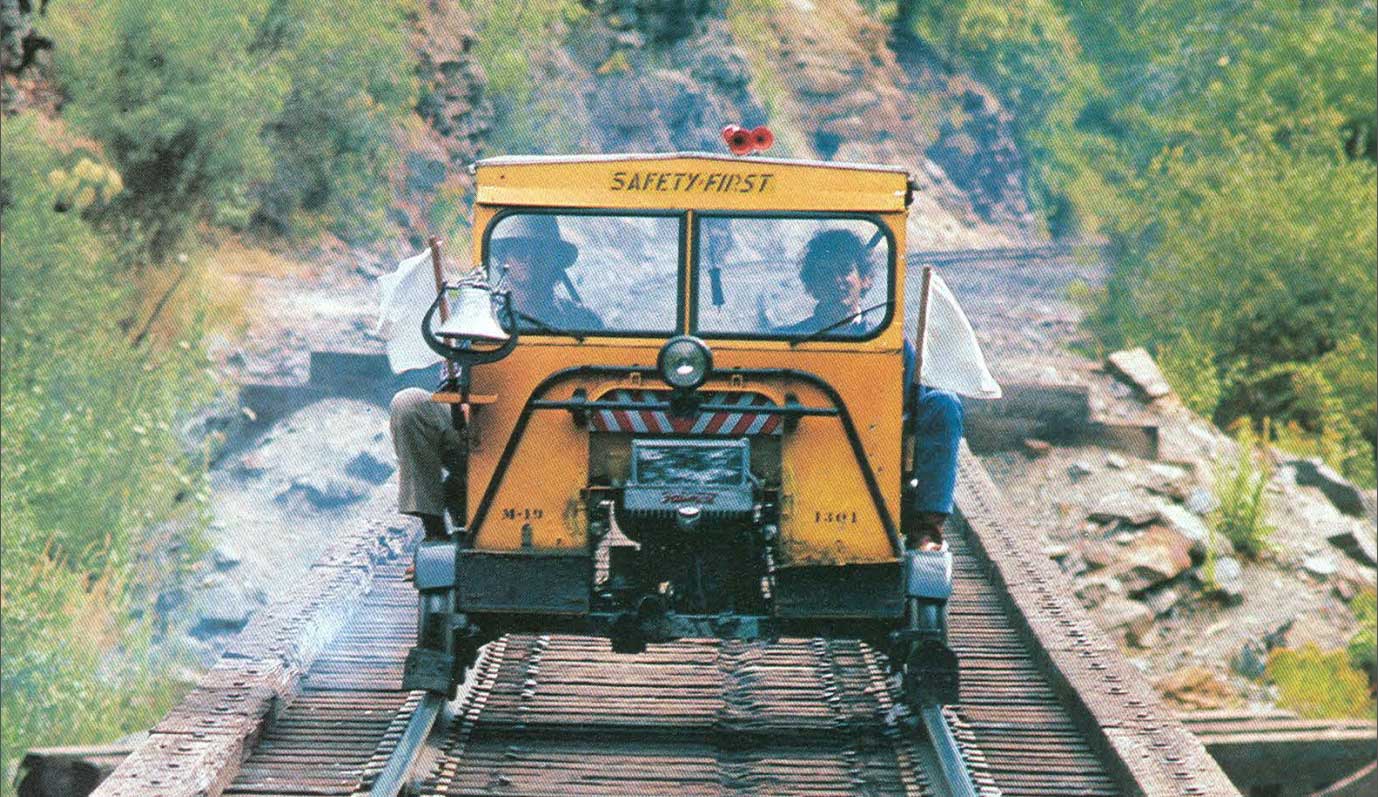
The presentation detailed a Fairmont Speeder trip on the abandoned western main line of the Milwaukee Road. The trip took place in early August 1980. Alan was accompanied by Chuck Bothwell, a friend since high school. They both worked as Locomotive Firemen and Engineers on the Penn Central’s Chesapeake Division in the early and mid 1970’s.
A 1952 M-19 Fairmont Speeder was purchased for $400 from a scrap heap at the Maine Central Railroad Yard in Waterville, Maine, specifically to make this trip. A “new” railroad was formed–The Great Northeastern Pacific South and Western Railroad, affectionately known as the “Weedroute.”
This site features a photo essay of a what may be the final trip on the abandoned Milwaukee Road’s Pacific.
In 1983 the Weed Route accomplished a second expedition to check out and ride additional Milwaukee Road abandonments in the west. The following photos are on the abandoned route from Mitchell to Kadoka South Dakota.
After showing little interest in the initial 1980 Weed Route Pacific Extension Trip the Smithsonian magazine magically reconsidered and sent out a famous writer from New York City (James Traub) and also a famous NYC fashion photographer (Jorge Diaz) to come along.
The Weed Route snapped up a Tunisian exchange student (Ghazi Azabi) to deliver the rolling stock on the railroads state of the art 1957 Ford Falcon station wagon. The speeder was towed on our special 1955 Dilly custom boat trailer replete with original chrome half moon hubcaps – which were unfortunately stolen near Sioux City.
WEED ROUTE TRIPS
ROLLING STOCK
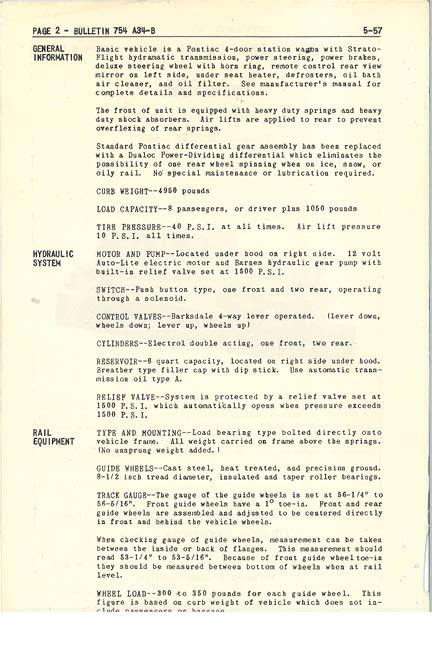
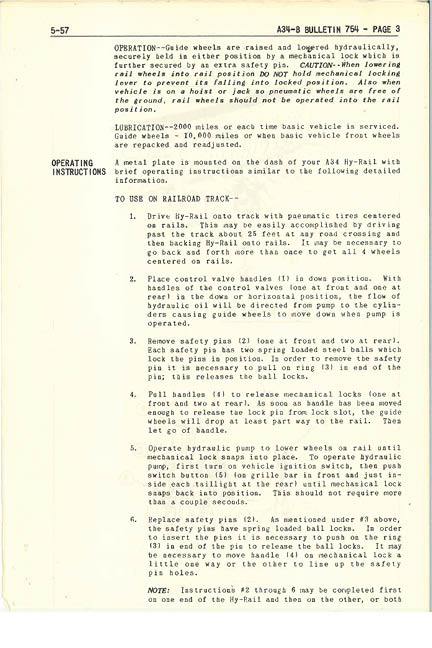
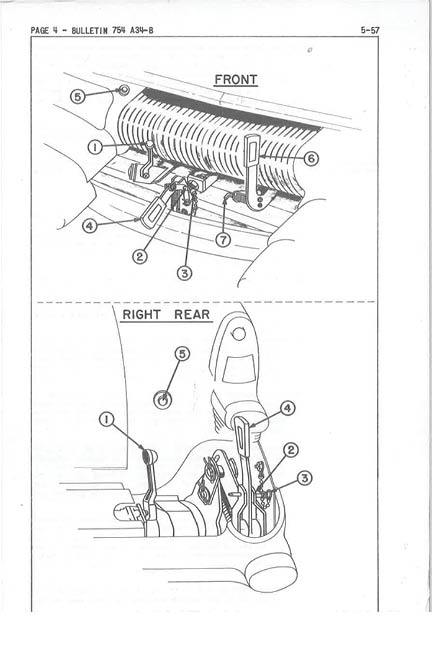
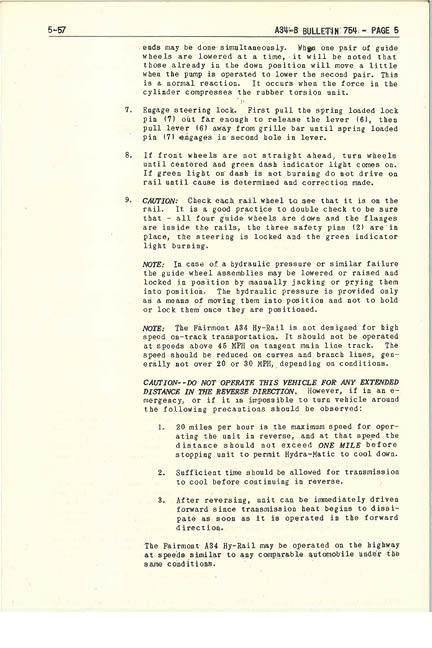
Velocipede Circa 1872 Fairmont Hi Rail Pontiac Chieftain Safari Fairmont M19 Speeder 52

Velocipede Circa 1872 Fairmont Hi Rail Pontiac Chieftain Safari Fairmont M19 Speeder 52
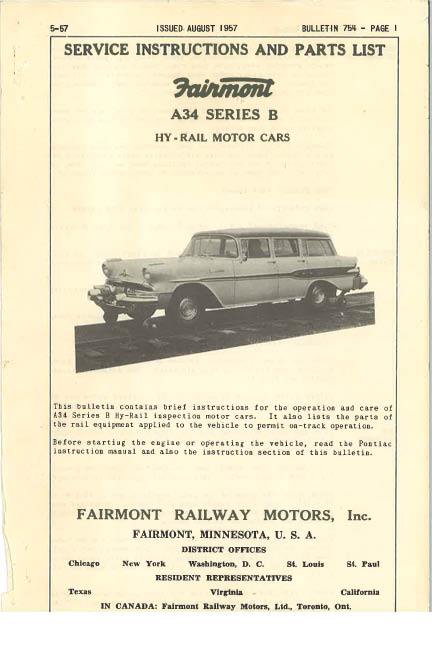
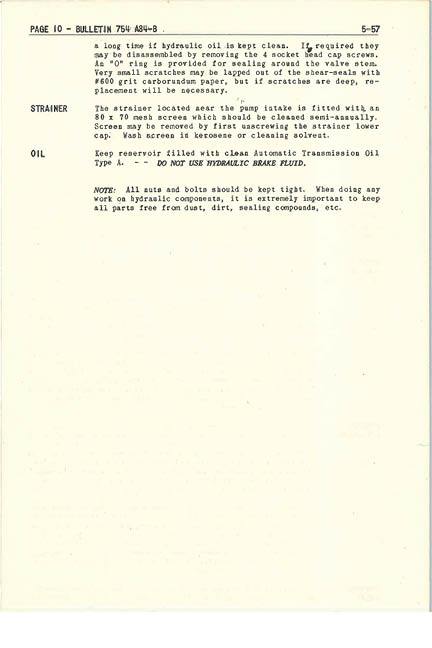
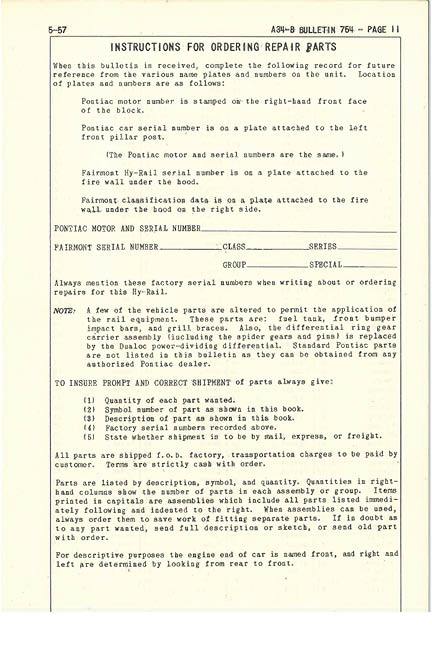
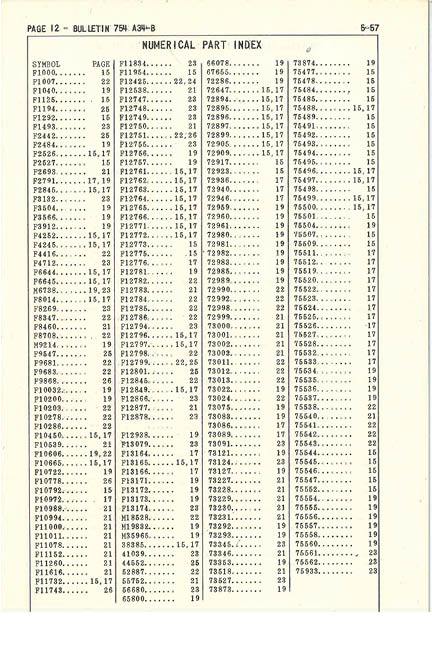
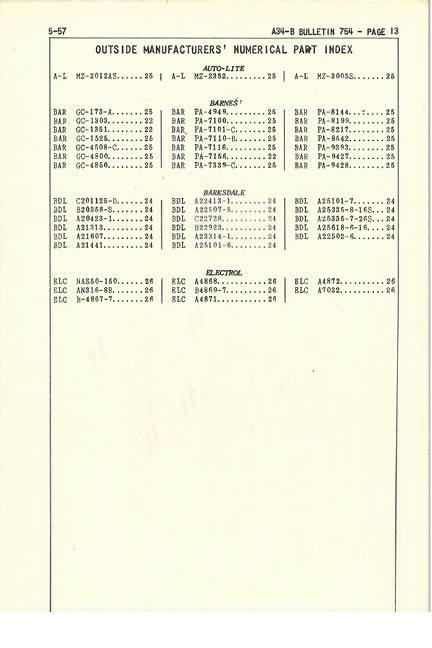
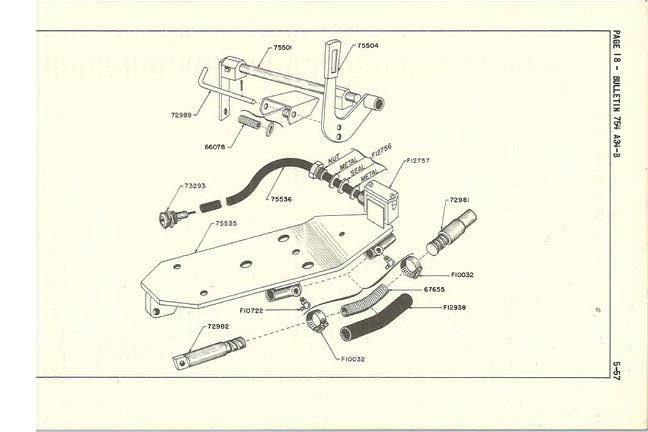
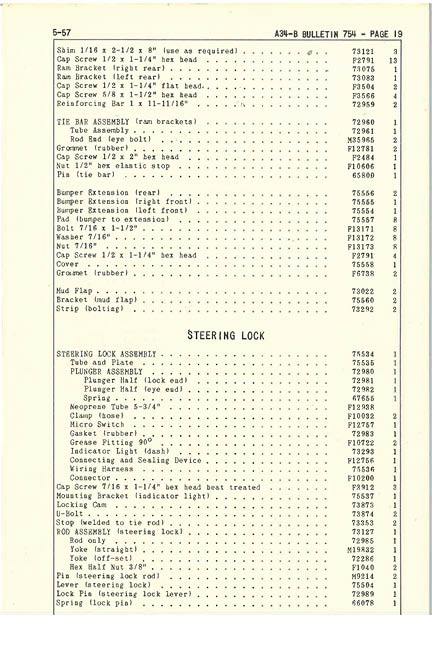
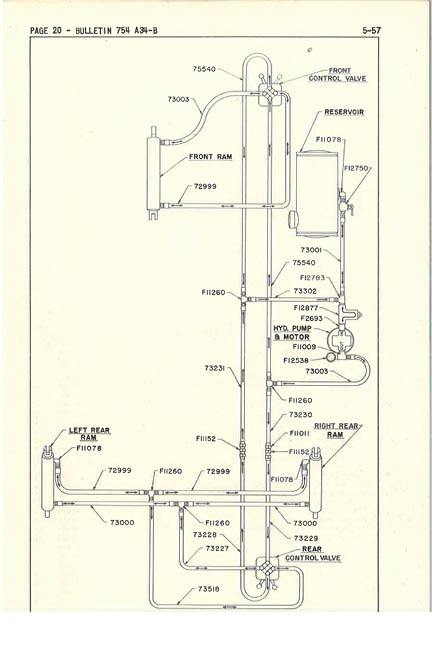
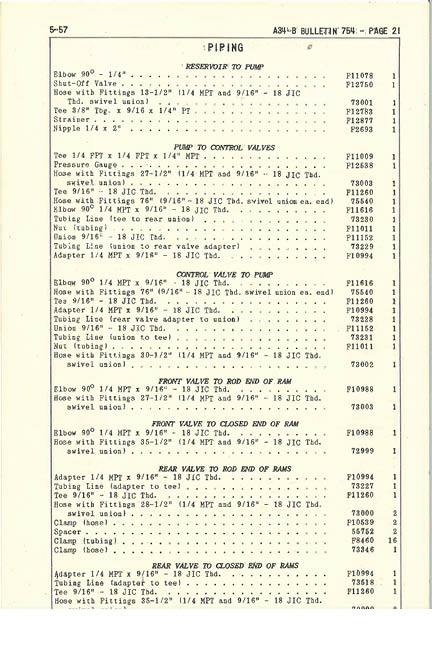
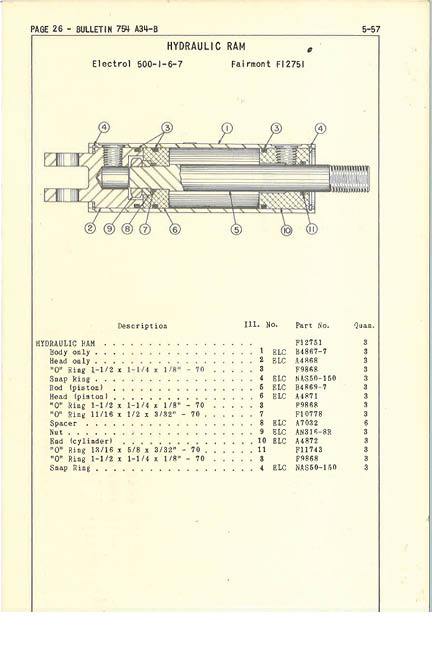
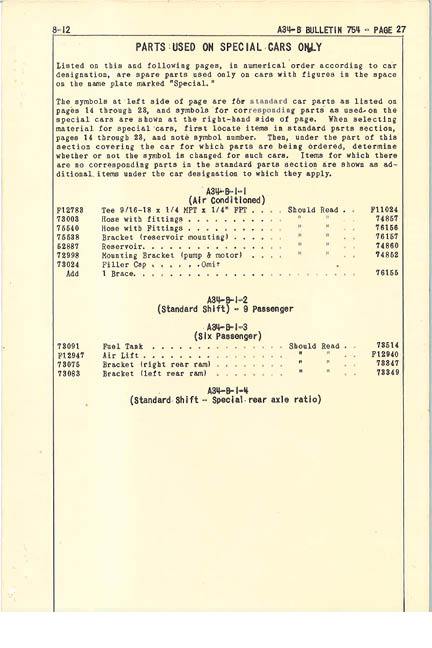
Fairmont Service Instructions and Parts List
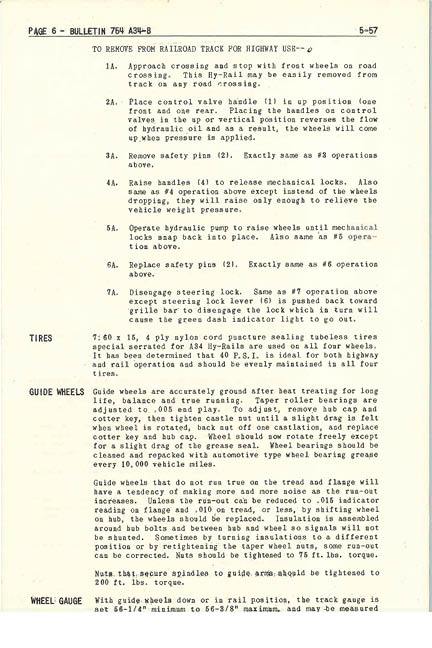
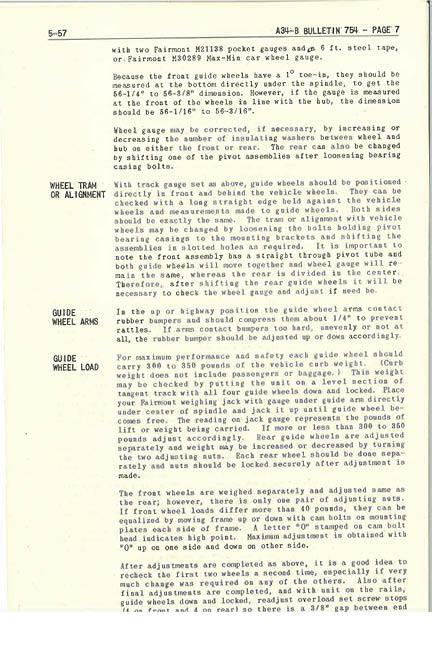
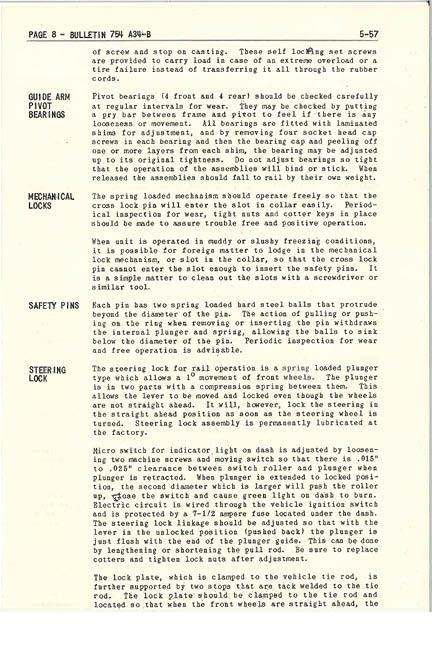
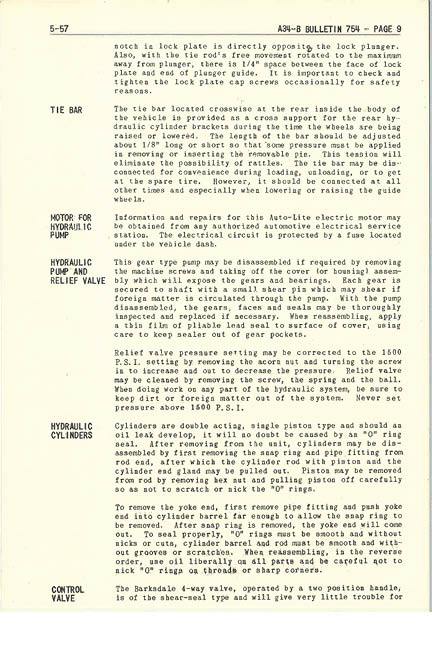
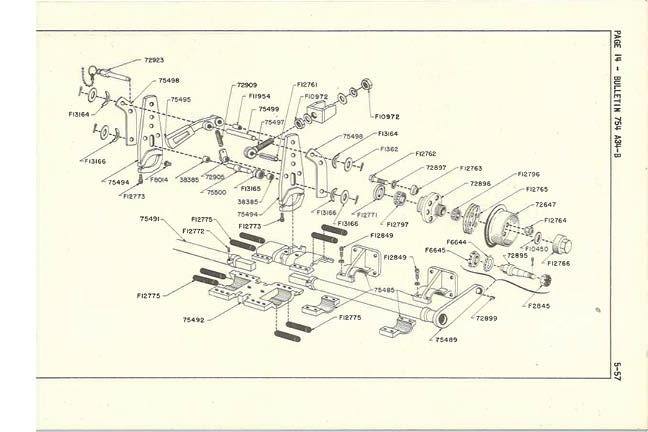
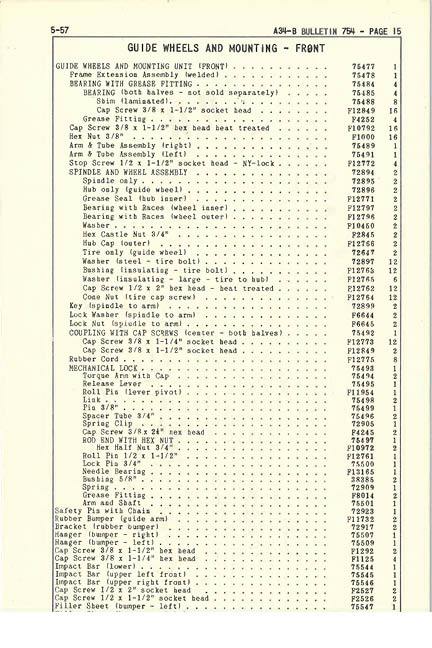
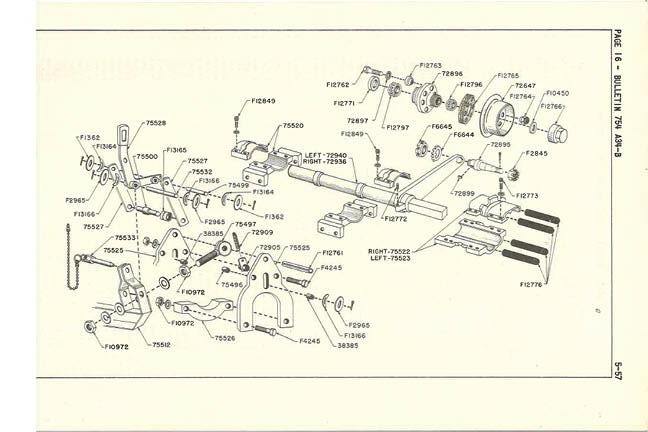
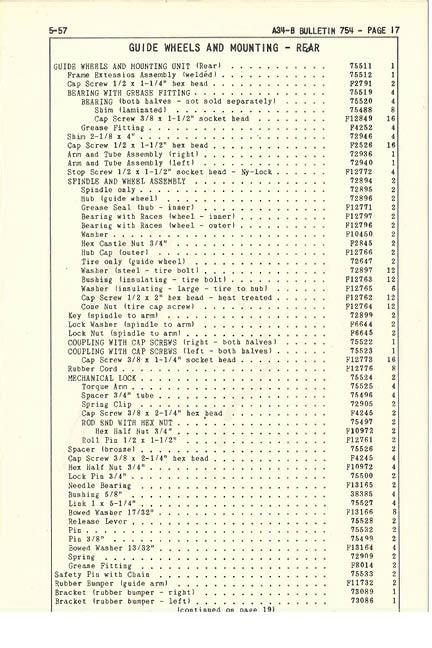
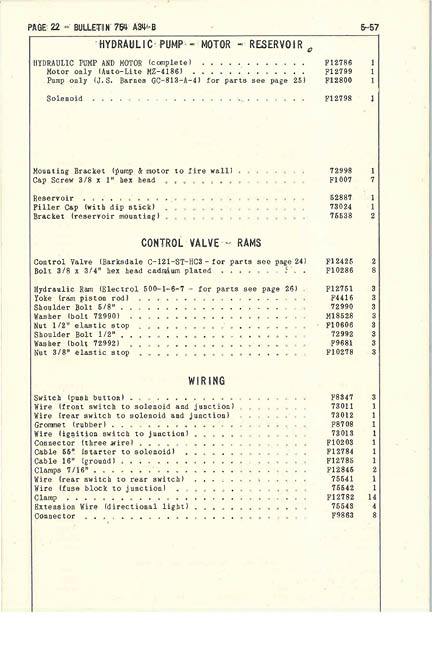
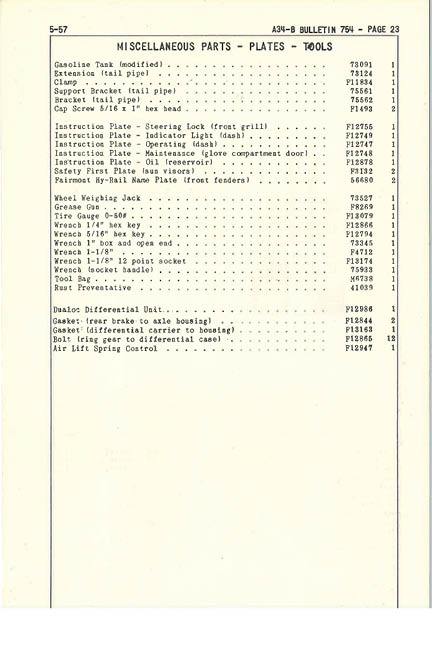
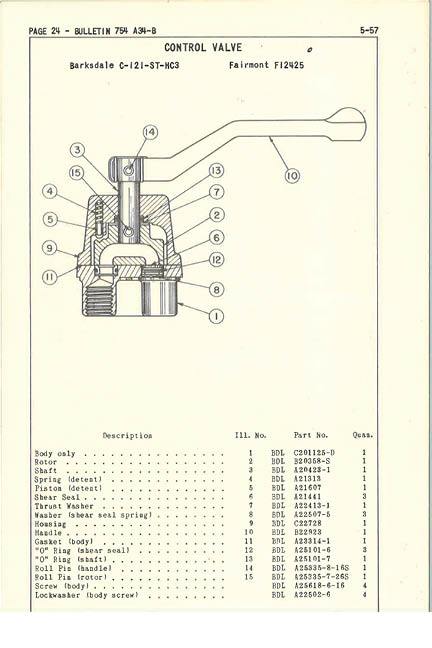
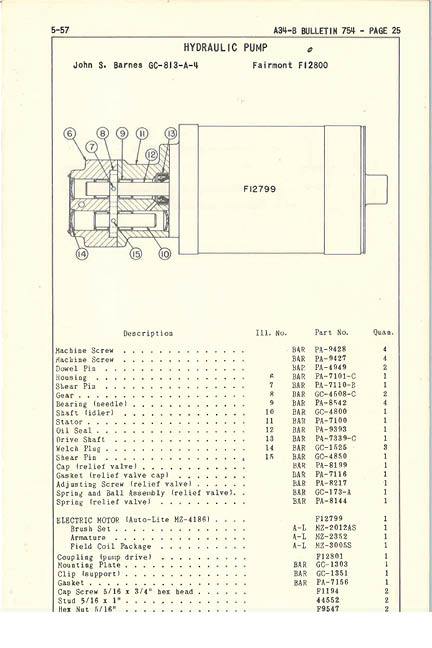
RESTORATION